
Tuesday, May 18, 2010


Saturday, May 15, 2010
The Joy of Traveling Solo
“I see my path, but I don't know where it leads. Not knowing where I'm going is what inspires me to travel it.”
Rosalia de Castro
A few friends have asked to learn more about the kind of traveling I'm doing, so this is mostly about solo traveling.
It's wonderful here in Ohrid. I can only say that we in the US are very misinformed and ill-informed about the rest of the world and perhaps mostly about this region - the Balkans, the Caucasus, Eastern Europe. I met a man yesterday (a philosopher, a teacher and a linguist who speaks 6 languages fluently) and we spoke for a long time. I expressed this same thought to him and he looked at me a little sympathetically and said, "It's known throughout the world that people in the US are very poorly educated and informed." I can only say to you, "Come!" It is so nice here, so fascinating. This is the place where western civilization began. This is OUR heritage, as well as the heritage of the people currently living here. I have only been to this one town in Macedonia. The people here are wonderful.
Because the economy is poor in this region, many people open their homes to travelers. They make little "B&Bs" or hostels out of their home. Throughout this region, because in the past (and the present) extended families often lived together, some of these houses are very large and have plenty of extra, unused rooms. Here in Ohrid nearly every other house offers a homestay it seems. But I also did homestays in Bulgaria, Turkey and Georgia. Some may list themselves as a hostel on www.hostelworld.com but they still occupy the house, the family intermixes with the travelers (as opposed to a business hostel which has hired people working there). Armenia has not yet caught on to the idea - a state of affairs I'd like to have a hand in changing.
I generally am greeted warmly. I found Bulgarians to be the least friendly, but that may just be their nature. I think they tend to be more reserved with strangers in general. Most people are quite happy to help me, talk to me, educate me, show me around. Greet the world with open arms and it will hug you back. We are all, after all, just people. I always find lots of people who speak English (again, except in Bulgaria). But even in Bulgaria I found a few. English is the lingua-franca of the world. It is the international language, the language of computers. Young people study it in school and it's impossible to work in tourism/business without any English. In big cities you're more likely to find indifference, be that New York or Sophia. It's the nature of cities - they isolate us from each other. Istanbul was unique in that regard, but I stayed mostly in the tourist section and the city is a tourist city like none other.
When traveling and staying in hostels, as you know, you meet many other travelers. Even in homestays they often host more than one person at a time. Other travelers are your best source of information - they've been there, done that - and they can tell you where and where not to go. Some online sources that I use are www.lonelyplanet.com, mostly the thorntree forum. When you go to the website, click on "community" at the top. That's a pulldown menu and select "Thorntree Forum." You will need to sign up as a member in order to post questions and comments yourself, but you can read through the forum without signing up. This forum is like a great big world-wide hostel. People from all over the world meet and share their experiences here. People just like you and me. If you're going to Podunk and want to know if there are any homestays there, or what it's like, just ask. Someone will know. It's a fantastic source of "on the ground" information. Never, let me repeat that, NEVER go to the US State Department's website to find out information about a country. A second good source of information online is the UNESCO World Heritage center: whc.unesco.org. They list all the World Heritage sites, places that are somewhat protected. If you search for Macedonia, by the way, their "political" name is "The Former Yugoslav Republic of Macedonia." Archeologists here are currently unearthing perhaps the oldest known university in the western world right now, not to mention the churches and monasteries throughout Macedonia.
I absolutely plan to return to this region and travel/volunteer more. I have only scratched the surface. I feel like I'm only floating past in a glass-bottomed boat, looking through at a rich, deep culture and history that I simply cannot penetrate and can only view fleetingly. My formal education and my life have not prepared me for what I have found here. I literally have no background, no network of information to connect all that I'm seeing, experiencing and learning.
I can't think of anything else to say in the moment. Except (I always have at least ONE more thing to say :o) - Don't be afraid. It only seems scary when you haven't done it. Once you step out there on your own you find out that the world's not a scary place at all. My first experience with solo travel was in Guatemala 4 years ago. I established a connection with a library initiative there, then they set me up with a homestay and language tutor. All very cheap. I volunteered at the library and stayed in that little town (near Tikal, in northern Guatemala) for 3 weeks. Before going there I spent a few days in Antigua to get my feet on the ground, as it's a tourist city with a lot of other travelers. After the 3-week homestay I traveled for 2 weeks throughout Guatemala, even spent 3 days with a family in a very remote Mayan village (that required a guide and pre-arrangement). My second solo was throughout Central America and into Mexico 3 years ago (where I met Jerry). Even after those experiences and after living in Armenia for nearly a year, I was still nervous about traveling throughout this region on my own. I was concerned that the language barrier would be too challenging. But that has not been the case at all.
This is the best way to travel. It's cheap, it's environmentally friendly, it's people friendly, it's rich, it helps local people and local economies, it's fun. When I am alone I reach out to others, I trust in ways I never knew I could.
The morning is calling so I must go see what it has in store for me. It rained on and off all day yesterday. There's still one monastery nearby that I haven't seen yet but if the rain continues into the next few days as it's predicted then I won't be able to visit it anyway so I may as well continue on. However, as my host Goce said, it will be like going to Paris and not seeing the Eifel Tower. I've seen pictures of this place, St Naum, and it is magnificent. So . . . . . I really hope the weather is good. If not, I'll be back. It will remain the bait, tempting me back. ~
--
"Life is either a daring adventure or nothing. Security does not exist in nature, nor do the children of men as a whole experience it. Avoiding danger is no safer in the long run than exposure." Helen Keller
Rosalia de Castro
A few friends have asked to learn more about the kind of traveling I'm doing, so this is mostly about solo traveling.
It's wonderful here in Ohrid. I can only say that we in the US are very misinformed and ill-informed about the rest of the world and perhaps mostly about this region - the Balkans, the Caucasus, Eastern Europe. I met a man yesterday (a philosopher, a teacher and a linguist who speaks 6 languages fluently) and we spoke for a long time. I expressed this same thought to him and he looked at me a little sympathetically and said, "It's known throughout the world that people in the US are very poorly educated and informed." I can only say to you, "Come!" It is so nice here, so fascinating. This is the place where western civilization began. This is OUR heritage, as well as the heritage of the people currently living here. I have only been to this one town in Macedonia. The people here are wonderful.
Because the economy is poor in this region, many people open their homes to travelers. They make little "B&Bs" or hostels out of their home. Throughout this region, because in the past (and the present) extended families often lived together, some of these houses are very large and have plenty of extra, unused rooms. Here in Ohrid nearly every other house offers a homestay it seems. But I also did homestays in Bulgaria, Turkey and Georgia. Some may list themselves as a hostel on www.hostelworld.com but they still occupy the house, the family intermixes with the travelers (as opposed to a business hostel which has hired people working there). Armenia has not yet caught on to the idea - a state of affairs I'd like to have a hand in changing.
I generally am greeted warmly. I found Bulgarians to be the least friendly, but that may just be their nature. I think they tend to be more reserved with strangers in general. Most people are quite happy to help me, talk to me, educate me, show me around. Greet the world with open arms and it will hug you back. We are all, after all, just people. I always find lots of people who speak English (again, except in Bulgaria). But even in Bulgaria I found a few. English is the lingua-franca of the world. It is the international language, the language of computers. Young people study it in school and it's impossible to work in tourism/business without any English. In big cities you're more likely to find indifference, be that New York or Sophia. It's the nature of cities - they isolate us from each other. Istanbul was unique in that regard, but I stayed mostly in the tourist section and the city is a tourist city like none other.
When traveling and staying in hostels, as you know, you meet many other travelers. Even in homestays they often host more than one person at a time. Other travelers are your best source of information - they've been there, done that - and they can tell you where and where not to go. Some online sources that I use are www.lonelyplanet.com, mostly the thorntree forum. When you go to the website, click on "community" at the top. That's a pulldown menu and select "Thorntree Forum." You will need to sign up as a member in order to post questions and comments yourself, but you can read through the forum without signing up. This forum is like a great big world-wide hostel. People from all over the world meet and share their experiences here. People just like you and me. If you're going to Podunk and want to know if there are any homestays there, or what it's like, just ask. Someone will know. It's a fantastic source of "on the ground" information. Never, let me repeat that, NEVER go to the US State Department's website to find out information about a country. A second good source of information online is the UNESCO World Heritage center: whc.unesco.org. They list all the World Heritage sites, places that are somewhat protected. If you search for Macedonia, by the way, their "political" name is "The Former Yugoslav Republic of Macedonia." Archeologists here are currently unearthing perhaps the oldest known university in the western world right now, not to mention the churches and monasteries throughout Macedonia.
I absolutely plan to return to this region and travel/volunteer more. I have only scratched the surface. I feel like I'm only floating past in a glass-bottomed boat, looking through at a rich, deep culture and history that I simply cannot penetrate and can only view fleetingly. My formal education and my life have not prepared me for what I have found here. I literally have no background, no network of information to connect all that I'm seeing, experiencing and learning.
I can't think of anything else to say in the moment. Except (I always have at least ONE more thing to say :o) - Don't be afraid. It only seems scary when you haven't done it. Once you step out there on your own you find out that the world's not a scary place at all. My first experience with solo travel was in Guatemala 4 years ago. I established a connection with a library initiative there, then they set me up with a homestay and language tutor. All very cheap. I volunteered at the library and stayed in that little town (near Tikal, in northern Guatemala) for 3 weeks. Before going there I spent a few days in Antigua to get my feet on the ground, as it's a tourist city with a lot of other travelers. After the 3-week homestay I traveled for 2 weeks throughout Guatemala, even spent 3 days with a family in a very remote Mayan village (that required a guide and pre-arrangement). My second solo was throughout Central America and into Mexico 3 years ago (where I met Jerry). Even after those experiences and after living in Armenia for nearly a year, I was still nervous about traveling throughout this region on my own. I was concerned that the language barrier would be too challenging. But that has not been the case at all.
This is the best way to travel. It's cheap, it's environmentally friendly, it's people friendly, it's rich, it helps local people and local economies, it's fun. When I am alone I reach out to others, I trust in ways I never knew I could.
The morning is calling so I must go see what it has in store for me. It rained on and off all day yesterday. There's still one monastery nearby that I haven't seen yet but if the rain continues into the next few days as it's predicted then I won't be able to visit it anyway so I may as well continue on. However, as my host Goce said, it will be like going to Paris and not seeing the Eifel Tower. I've seen pictures of this place, St Naum, and it is magnificent. So . . . . . I really hope the weather is good. If not, I'll be back. It will remain the bait, tempting me back. ~
--
"Life is either a daring adventure or nothing. Security does not exist in nature, nor do the children of men as a whole experience it. Avoiding danger is no safer in the long run than exposure." Helen Keller
Money
It's crazy dealing with all this different money. $1=@50 dinar. I got $80 out of the bank today. That's nearly 4,000 dinar! Imagine going around with $5,000 in your pocket. They have 10, 20, 50, and 100, 500, and 1,000 denominations. But no one can ever cash the 500 or 1,000 ones so you have to carry all bills 100 and under. It feels like $5,000 to me but in fact the 100dn is only $1.50. I went out to dinner tonight. It was 380dn. I left a 60dn tip. It felt so weird, like I was leaving him $60 but it was only a little more than $1.
Then I have euros in my pocket too because now that I've reached Macedonia I can start using euros. I hope to switch entirely to euros soon. I don't know what Albania will do - I'll probably have to continue using both euros and local currency for awhile. Small stores will only take local cash though you can pay for larger items with euros.
Rila Bulgaria Homestay


Vasco Milenkov, tel 07054-2920 or cell 0887-036390. I don't know the country code. His house is 1 block behind the bus station in Rila Village, 20km (there are frequent buses) from Rila Monastery. Vasco is a music teacher in Blagoevgrad. He speaks some English and good German. He has 2 or 3 rooms available, kitchen, shared bathroom, a great garden, very clean. Vasco is very helpful and can give you advice and show you around. As a teacher in Bulgaria he earns only $240/month during the school year. He is very gregarious - one of the friendliest people I met in Bulgaria! I really enjoyed my stay there because of him. I highly recommend seeking him out if you plan to visit the Rila Monastery. You can call him or ask at the Visitor's Information Center in Rila Village. The Information Center is around the corner and about 2 blocks from the bus station. Vasco is often at the bus station waiting for people to arrive. Support the local economies and local people when you travel! Avoid chain hotels and restaurants. Instead, travel simply. Stay with local people, learn a bit of the language, buy your food from local markets and restaurants, use local transportation. You will enrich the places you visit and will be immensely enriched in return.
Friday, May 14, 2010
So This is Bulgaria!
May 8, 2010, Sunday:
 My first shock in Bulgaria came when I stepped off the night train into Plovdiv early this morning. Coffee was my goal and I saw a booth with "Kafe" written above it so I stepped up and asked for one. The woman prepared my coffee then handed me a small plastic cup with about 1 ½ " of dark coffee in it. I started to say, "Could I have a little more, please?" but remembered that I don't speak Bulgarian so I just shrugged my shoulders and sat down. For a year now I've been drinking either Nescafe or surch. Surch is tiny cup of Turkish coffee that resembles cowboy coffee but the grounds are much finer and they never really dissolve or float to the bottom. It's fun in the afternoon with a piece of chocolate on the side but morning coffee needs to be a little more substantial. We all know how unhealthy and bad-tasting Nescafe is, but for the past year it's been my only other choice.
So I poured a packet of sugar in, stirred it up and prepared myself for a mouthful of grounds. But no! This was most excellent espresso! Out of a little wooden booth by the train station. Wow. I could learn to live like this. I drank up, felt revived, parked my bags in a storage box and headed off to find a place to stay.
Let's cut to the chase. Plovdiv is a delightful little town. I actually never saw much more than Old Town, which has been revitalized into a tourist site. The rest of Plovdiv is a sprawling modern city resembling Grand Junction. I did enjoy my stay there. I strolled the new open mall with all the shops and the artisans and crafters lining the sidewalks around the park. I visited the beautiful restored house turned art museum. I stood with others and gawked at a miniature Roman amphitheater and stared into a hole with layers of old cities exposed. They say there has been a city at this site for at least 6,000 years. I strolled up and down hills of cobble-stoned streets lined with giant sycamores and fruit stands and magnificent old restored Ottoman-era houses. But I had dust on my feet and distant horizons on my scope. Ah, how I sometimes rush through life. So much to see, so little time.
 Before going on with my story, a quick study of my impressions of Bulgarians. The appearance and character of the people has changed dramatically. Gone is the dark skin, black hair, strong nose, tall lean people. Now the dominant physiques are blocky, square-bodied men and women. The face is rounded, with strongly defining lines around the mouth, nose and forehead. If Bulgarians were dogs I think they would be bulldogs. They have that kind of blockiness to them. Even the ornate architecture of their old churches and monasteries is blocky. The dominant personality seems bulldog-ish too. That's not an insult. It's just that they don't rush up to you like say, a golden retriever would. Rather, they seem to have their own business to attend to, they're somewhat aloof and preoccupied with themselves and too involved with their family or friends to notice others. In Turkey and Armenia I could barely open a map before someone would be at my elbow asking if they could be of assistance. Not so here. I look at my map and look around me in confusion but no one notices.

I woke early the second day and prepared to head out on the bus for Melnik, a small town in the southwestern corner of the country. I already had a ticket for Blagoevgrad in hand. But, as I am wont to do, once on the bus I changed my mind. From Blagoevgrad you can head in two directions: south to Melnik or north to Rila. The weather had turned cold and rainy during the night and it occurred to me that I may end up spending fewer days in Bulgaria than originally planned. If that turned out to be the case, I decided I'd rather spend that time in the Rila Mountains and visiting the Rila Monastery.
So when I stepped off the bus in Blagoevgrad I asked the woman at the desk about the bus to Rila. "No bus," she replied. "Only taxi." "How much?" I asked. She turned to the taxi driver standing by the door. "25 leva," he answered or about $18/one way. No need for me to protest that my Lonely Planet Guide said there were hourly buses to Rila, since I can't speak Bulgarian (see above) and she obviously spoke little English. Okay, I said. "Supermarket?" She pointed across the street to an open door. This turned out to be one of those 8'x10' shops that sells everything from potato chips to coca colas. I looked around it and knew I'd never be able to find enough food in here to sustain me for two days in the mountains so I gestured the clerk, spreading my hands in a big circle, and asked if there was a BIG supermarket nearby. She said yes, 3 blocks down. Well, that's not exactly what she said. She actually pointed along the main thoroughfare and said something more like, "Guvanak distroiyanki ve mistroiyank hetova ashketevotenya." I got the idea. A couple of troiyankis along I noticed another bus station and wondered if possibly this place might have a bus to Rila. Something told me that maybe I'd been led astray at the first station (could it be that the taxi driver was the woman's husband?) Sure enough, here was the bus station for buses to Rila, once every hour, 1.20leva. Tricky, tricky. (By the way, this kind of experience happened to me several times in Bulgaria. I was treated rudely or even out and out lied to at bus stations. A simple question would occasionally elicit a rude, "nay," but no more information would be offered.) Anyway, off to the supermarket to stock up for a couple days in the mountains.
Next came my second shock after arriving in Bulgaria. This was a real supermarket, the kind I'm used to back home. I couldn't read the labels but I know a banana from an apple and a pack of crackers from dried soup so I stocked 'er up and headed back to the bus station to await the next bus to Rila.
9 May 2010, Monday:
 By accident or grace – or are they the same? - I stumbled into Heaven and I haven't been able to get to the internet. I had no idea what to expect as I climbed on the bus from Blagoevgrad to Rila Village. I was more than happy when I stepped out into a sweet little mountain village. I had only a hour to wait for the bus which would take me to Rila Monastery so I spent some time orienting myself: found a market and bought my usual "market lunch", visited the local tourist office, all information in Bulgarian but friendly nevertheless, then sat in the sun and fed hotdogs to a couple of small stray dogs while I waited for the bus. I was the only one on the bus to Rila Monastery, apparently the last bus of the day at 3:00pm. I hoped there would be a room available when I got there but if not there were several inexpensive rooms ($10-$12/night) available in Rila Village and I could come back on the 5o'clock bus.
 The Rila Mountains are stunning. We wended our way up for half an hour and I stepped out into Paradise. Standing in front of me was one of the most magnificent monasteries I've yet seen. The sign says this is the Jerusalem of Bulgarian Orthodox Christianity. On this particular day there were few visitors. I walked to the reception area to see if there was a bed available in the dorm but the door was locked - "Back at 6pm" the sign said. I decided I would check out the Zodiak Campground 2km up the road and managed to beg a ride for most of the way. Indeed, there was a cabin available. In fact there were several cabins available and for a single it would be $11/night. So now I really was in Heaven. I have been staying in hostels and other people's homes for nearly 6 weeks now and was beginning to think I would soon splash out on a hotel, just for the bliss of having my own space for a night or two. I didn't expect to find it here. And so I stayed not one night but two.

I spent the morning wandering around the monastery and taking photos then headed up the trail nearby for a 3-hour walk in the most pristine forest imaginable. I really can't believe this place. I feel so revitalized and renewed to know that there is such a place on earth, that is clean and healthy and not over-run with people.
I have only one question about the monastery. This is an active monastery, with 300 cells for monks. I saw only two monks there. There were other people around – there are cafes outside the monastery, a couple of maintenance workers, clerks in each of the souvenir shops. They seemed pleasant enough. But those two monks seemed quite unhappy, even angry. How strange. I tried to engage eye contact with them but they refuse to look directly at people or talk to them. Why are they so unhappy? It's clear that the scowls they wear are permanent. How very interesting . . . . . Must one be unhappy and unfriendly in order to be holy and serve God?
At the end of the day I met four people who are volunteers from the Church of Jesus Christ of the Latter Day Saints: Dorothy and Larry Smith and Bob and Caroline. It was so nice to meet them and hear about the wonderful work they and their church are doing in the world. They work with orphanages and schools in Bulgaria. Human trafficking in a big problem throughout the region.

So I poured a packet of sugar in, stirred it up and prepared myself for a mouthful of grounds. But no! This was most excellent espresso! Out of a little wooden booth by the train station. Wow. I could learn to live like this. I drank up, felt revived, parked my bags in a storage box and headed off to find a place to stay.
Let's cut to the chase. Plovdiv is a delightful little town. I actually never saw much more than Old Town, which has been revitalized into a tourist site. The rest of Plovdiv is a sprawling modern city resembling Grand Junction. I did enjoy my stay there. I strolled the new open mall with all the shops and the artisans and crafters lining the sidewalks around the park. I visited the beautiful restored house turned art museum. I stood with others and gawked at a miniature Roman amphitheater and stared into a hole with layers of old cities exposed. They say there has been a city at this site for at least 6,000 years. I strolled up and down hills of cobble-stoned streets lined with giant sycamores and fruit stands and magnificent old restored Ottoman-era houses. But I had dust on my feet and distant horizons on my scope. Ah, how I sometimes rush through life. So much to see, so little time.


I woke early the second day and prepared to head out on the bus for Melnik, a small town in the southwestern corner of the country. I already had a ticket for Blagoevgrad in hand. But, as I am wont to do, once on the bus I changed my mind. From Blagoevgrad you can head in two directions: south to Melnik or north to Rila. The weather had turned cold and rainy during the night and it occurred to me that I may end up spending fewer days in Bulgaria than originally planned. If that turned out to be the case, I decided I'd rather spend that time in the Rila Mountains and visiting the Rila Monastery.
So when I stepped off the bus in Blagoevgrad I asked the woman at the desk about the bus to Rila. "No bus," she replied. "Only taxi." "How much?" I asked. She turned to the taxi driver standing by the door. "25 leva," he answered or about $18/one way. No need for me to protest that my Lonely Planet Guide said there were hourly buses to Rila, since I can't speak Bulgarian (see above) and she obviously spoke little English. Okay, I said. "Supermarket?" She pointed across the street to an open door. This turned out to be one of those 8'x10' shops that sells everything from potato chips to coca colas. I looked around it and knew I'd never be able to find enough food in here to sustain me for two days in the mountains so I gestured the clerk, spreading my hands in a big circle, and asked if there was a BIG supermarket nearby. She said yes, 3 blocks down. Well, that's not exactly what she said. She actually pointed along the main thoroughfare and said something more like, "Guvanak distroiyanki ve mistroiyank hetova ashketevotenya." I got the idea. A couple of troiyankis along I noticed another bus station and wondered if possibly this place might have a bus to Rila. Something told me that maybe I'd been led astray at the first station (could it be that the taxi driver was the woman's husband?) Sure enough, here was the bus station for buses to Rila, once every hour, 1.20leva. Tricky, tricky. (By the way, this kind of experience happened to me several times in Bulgaria. I was treated rudely or even out and out lied to at bus stations. A simple question would occasionally elicit a rude, "nay," but no more information would be offered.) Anyway, off to the supermarket to stock up for a couple days in the mountains.
Next came my second shock after arriving in Bulgaria. This was a real supermarket, the kind I'm used to back home. I couldn't read the labels but I know a banana from an apple and a pack of crackers from dried soup so I stocked 'er up and headed back to the bus station to await the next bus to Rila.
9 May 2010, Monday:
 By accident or grace – or are they the same? - I stumbled into Heaven and I haven't been able to get to the internet. I had no idea what to expect as I climbed on the bus from Blagoevgrad to Rila Village. I was more than happy when I stepped out into a sweet little mountain village. I had only a hour to wait for the bus which would take me to Rila Monastery so I spent some time orienting myself: found a market and bought my usual "market lunch", visited the local tourist office, all information in Bulgarian but friendly nevertheless, then sat in the sun and fed hotdogs to a couple of small stray dogs while I waited for the bus. I was the only one on the bus to Rila Monastery, apparently the last bus of the day at 3:00pm. I hoped there would be a room available when I got there but if not there were several inexpensive rooms ($10-$12/night) available in Rila Village and I could come back on the 5o'clock bus.
 The Rila Mountains are stunning. We wended our way up for half an hour and I stepped out into Paradise. Standing in front of me was one of the most magnificent monasteries I've yet seen. The sign says this is the Jerusalem of Bulgarian Orthodox Christianity. On this particular day there were few visitors. I walked to the reception area to see if there was a bed available in the dorm but the door was locked - "Back at 6pm" the sign said. I decided I would check out the Zodiak Campground 2km up the road and managed to beg a ride for most of the way. Indeed, there was a cabin available. In fact there were several cabins available and for a single it would be $11/night. So now I really was in Heaven. I have been staying in hostels and other people's homes for nearly 6 weeks now and was beginning to think I would soon splash out on a hotel, just for the bliss of having my own space for a night or two. I didn't expect to find it here. And so I stayed not one night but two.
I spent the morning wandering around the monastery and taking photos then headed up the trail nearby for a 3-hour walk in the most pristine forest imaginable. I really can't believe this place. I feel so revitalized and renewed to know that there is such a place on earth, that is clean and healthy and not over-run with people.
I have only one question about the monastery. This is an active monastery, with 300 cells for monks. I saw only two monks there. There were other people around – there are cafes outside the monastery, a couple of maintenance workers, clerks in each of the souvenir shops. They seemed pleasant enough. But those two monks seemed quite unhappy, even angry. How strange. I tried to engage eye contact with them but they refuse to look directly at people or talk to them. Why are they so unhappy? It's clear that the scowls they wear are permanent. How very interesting . . . . . Must one be unhappy and unfriendly in order to be holy and serve God?
At the end of the day I met four people who are volunteers from the Church of Jesus Christ of the Latter Day Saints: Dorothy and Larry Smith and Bob and Caroline. It was so nice to meet them and hear about the wonderful work they and their church are doing in the world. They work with orphanages and schools in Bulgaria. Human trafficking in a big problem throughout the region.
Last few days in Turkey
Wednesday, May 5, 2010
I'm feeling homesick today. I'm getting this feeling from time to time lately. This is a good thing. I don't miss my country or the mountains or my hometown today. (I missed the mountains immensely when I was in Armenia.) But I miss people. I miss my grandchildren, my children, my friends, my cat. I miss long talks with Michelle, when we discuss everything from the meaning of life to the meaning of life. I miss laughing until I cry with Sarina. I miss Catherine's great hugs and vibrant spirit beside me. I miss David's sweet smile and gentle humor. I miss my friends and our long talks and long walks.
I'm not ready to settle down yet though. That worries me a bit. But not too much. :o). I wonder sometimes if I'll ever overcome this restlessness. Even to stay 3 days in one place feels so long. What will it be like when I settle down permanently – whatever that means. I've traveled enough now that everything feels "normal" to me. I've seen enough different toilets, sleeping arrangements, foods, faces, landscapes, cities so that it all feels like home anymore. It's interesting. I feel more like a world citizen. That's a good feeling. It feels broader, more connected to all people. But in a way it's a sad feeling. I feel as if I have no small spot on the land that I'm really connected to. For all of my life I've felt so connected to Colorado and longed for a broader connection. Now that I have that broader connection . . . . where to anchor my little ship, this body of mine . . . .
Today will be a quiet day. Safranbolu is a small town, very easily explored in two days. I walked all around it twice yesterday, as well as taking a taxi ride to the neighboring village and walking around there. But there are houses and a museum to see here so my day will fill. There's a park at the top of a hill overlooking town. I'll take my lunch and hike up there then perhaps will walk farther afield.
Thursday, May 6, 2010
I've stayed in Turkey a few days too long. Or not. Had I left after only one week I would have longed to come back. Now, I feel fulfilled. Turkey is very touristic. Safranbolu is a lovely little tourist town, similar to Estes Park in Colorado. There are a half-dozen old Ottoman houses that have been restored as museums (some decorated with furniture from the 1950s). There's a restaurant on every corner, though I never ate out as the home where I stayed provided wonderful home cooked meals. Oh, so wonderful!

The cobbled streets are lined with nic-nac-stuff shops. There are dozens of shops selling scarves, wooden toys, and the delicious trademark of Safranbolu, Turkish Delight. The salespeople are lack-luster today though. I walk past a shop and catch the seller's eye and she waves her hand wanly in the direction of her shop. Having been in the craft business myself I understand. When sales are dead it's hard to have enthusiasm for the random person strolling past.
A bus-load of tourists arrived yesterday. They filled the immediate space wherever they were walking but for the most part the streets remained delightfully quiet. I can imagine that it becomes quite bustling at times though. There's a large open square in the middle of town which would be ideal for open-air markets. Several restaurants have places for musicians. But today . . . we're taking the idea of sleepy little town to the next level.
Tomorrow I'll catch the big bus to Istanbul. I'm looking forward to the hustle and bustle of the city after all. Another traveler told me about the land walls that surrounds the city, the last remains of the city's Byzantine past. "Pierced by monumental gates and strengthened by towers, they encompass the city center in a great arc, stretching all the way from … the Sea of Marmara to … the Golden Horn. On the Golden Horn end, the most outstanding sight is the Church of St Saviour in Chora, with beautifully preserved mosaics and frescoes. On the Sea of Marmara, four miles away, is the Fortress of Seven Towers - Yedikule Hisari." Another writer notes that the Fortress is notorious as a place of torture and execution. "Out of favour diplomats and disliked family members of the Sultan were incarcerated here, often with grizzly results." (www.travbuddy.com/Fortress-of-Seven-Towers-v385546) Sounds like a fun place! I shall try to wend my way there by city bus, though I doubt I'll be able to explore the entire stretch.
Added Jan 17, 2011:
I visited the Fortress with a few other tourists. We also drew Ugur along with us for a day on the town. It was here that the men decided they should climb up on the Fortress wall and walk across. This however is looked down upon by the local police and a scolding ensued.
All ended well and we continued on our merry way, unscathed but humbled . . . .
 |
| Back street in Safranbolu |
I'm not ready to settle down yet though. That worries me a bit. But not too much. :o). I wonder sometimes if I'll ever overcome this restlessness. Even to stay 3 days in one place feels so long. What will it be like when I settle down permanently – whatever that means. I've traveled enough now that everything feels "normal" to me. I've seen enough different toilets, sleeping arrangements, foods, faces, landscapes, cities so that it all feels like home anymore. It's interesting. I feel more like a world citizen. That's a good feeling. It feels broader, more connected to all people. But in a way it's a sad feeling. I feel as if I have no small spot on the land that I'm really connected to. For all of my life I've felt so connected to Colorado and longed for a broader connection. Now that I have that broader connection . . . . where to anchor my little ship, this body of mine . . . .
 |
| Yoruk, small village near Safranbolu |
Today will be a quiet day. Safranbolu is a small town, very easily explored in two days. I walked all around it twice yesterday, as well as taking a taxi ride to the neighboring village and walking around there. But there are houses and a museum to see here so my day will fill. There's a park at the top of a hill overlooking town. I'll take my lunch and hike up there then perhaps will walk farther afield.
 |
| Safranbolu |
Thursday, May 6, 2010
I've stayed in Turkey a few days too long. Or not. Had I left after only one week I would have longed to come back. Now, I feel fulfilled. Turkey is very touristic. Safranbolu is a lovely little tourist town, similar to Estes Park in Colorado. There are a half-dozen old Ottoman houses that have been restored as museums (some decorated with furniture from the 1950s). There's a restaurant on every corner, though I never ate out as the home where I stayed provided wonderful home cooked meals. Oh, so wonderful!

The cobbled streets are lined with nic-nac-stuff shops. There are dozens of shops selling scarves, wooden toys, and the delicious trademark of Safranbolu, Turkish Delight. The salespeople are lack-luster today though. I walk past a shop and catch the seller's eye and she waves her hand wanly in the direction of her shop. Having been in the craft business myself I understand. When sales are dead it's hard to have enthusiasm for the random person strolling past.
 |
| Yoruk, May 5 |
A bus-load of tourists arrived yesterday. They filled the immediate space wherever they were walking but for the most part the streets remained delightfully quiet. I can imagine that it becomes quite bustling at times though. There's a large open square in the middle of town which would be ideal for open-air markets. Several restaurants have places for musicians. But today . . . we're taking the idea of sleepy little town to the next level.
Tomorrow I'll catch the big bus to Istanbul. I'm looking forward to the hustle and bustle of the city after all. Another traveler told me about the land walls that surrounds the city, the last remains of the city's Byzantine past. "Pierced by monumental gates and strengthened by towers, they encompass the city center in a great arc, stretching all the way from … the Sea of Marmara to … the Golden Horn. On the Golden Horn end, the most outstanding sight is the Church of St Saviour in Chora, with beautifully preserved mosaics and frescoes. On the Sea of Marmara, four miles away, is the Fortress of Seven Towers - Yedikule Hisari." Another writer notes that the Fortress is notorious as a place of torture and execution. "Out of favour diplomats and disliked family members of the Sultan were incarcerated here, often with grizzly results." (www.travbuddy.com/Fortress-of-Seven-Towers-v385546) Sounds like a fun place! I shall try to wend my way there by city bus, though I doubt I'll be able to explore the entire stretch.
Added Jan 17, 2011:
I visited the Fortress with a few other tourists. We also drew Ugur along with us for a day on the town. It was here that the men decided they should climb up on the Fortress wall and walk across. This however is looked down upon by the local police and a scolding ensued.
 |
| Climbing the wall. Two up, one to go! |
 |
| Checking IDs |
 |
| Even innocent bystanders got checked out |
All ended well and we continued on our merry way, unscathed but humbled . . . .

Saturday, May 8, 2010
Where the Heck is Plovdiv?

That's where Lora is right now. (Forgive me, but I don't have free internet today so must hustle through this quickly.) Okay, I'll give you a clue. Plovdiv is a sweet little town in Bulgaria, second largest city in the country.

It's been beautifully maintained and restored and everywhere they dig a hole here they find layers upon layers of old cities. Just outside my hostel window is a hole and in it are, indeed, layer upon layer of stone streets and old walls. I spent the day wandering cobble-stoned streets, often lined with vendors and shops with little windows full of wonderful smelling breads laid out. I spent a wonderful hour in an old house that's been restored and turned into a museum and art gallery. That's one of my favorite things to do (wish you were here, Ms Enders).
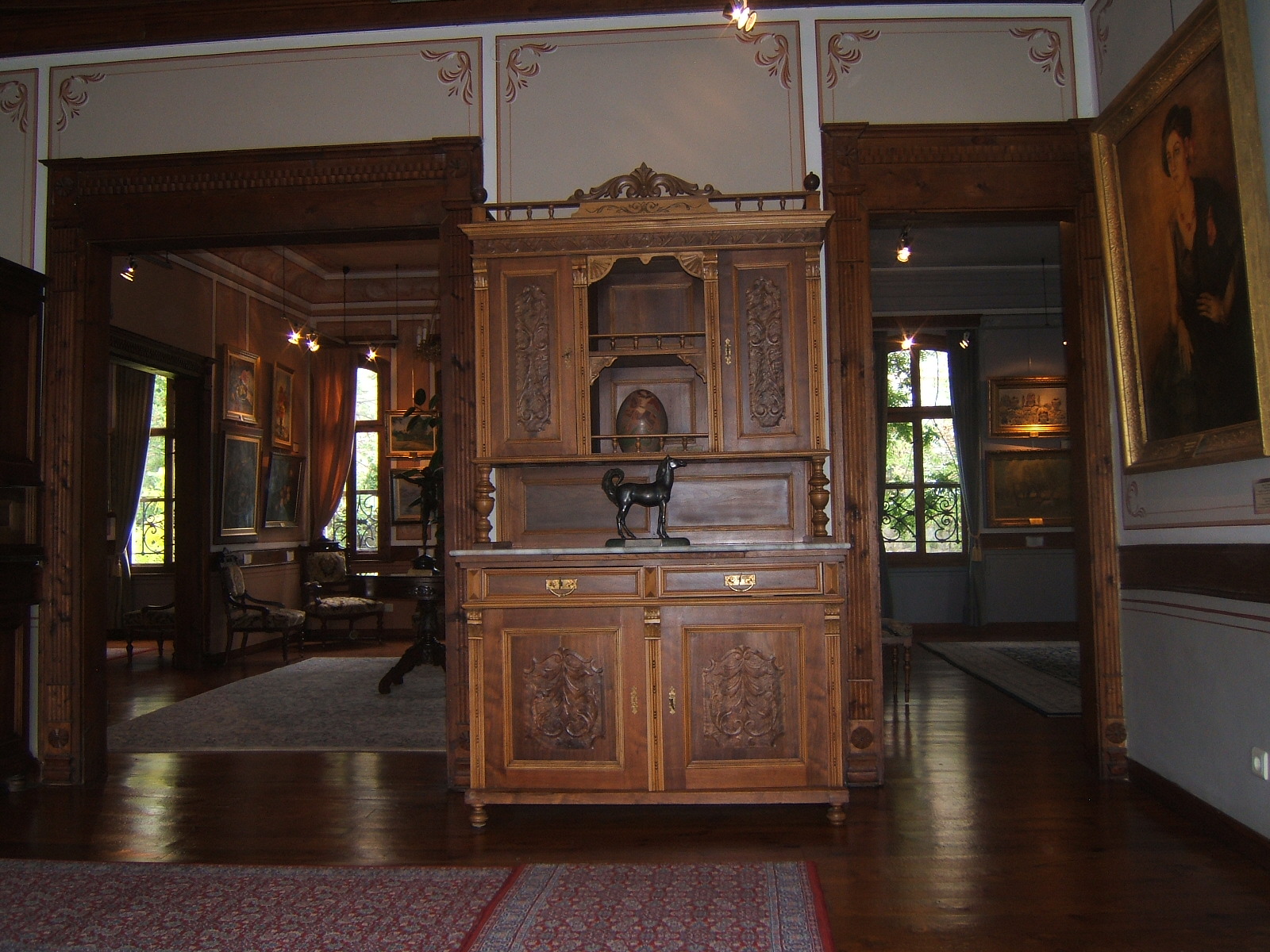
The stately old Ottoman houses are lovely. Echoes of Safranbolu. The Ottoman empire lasted for more than 600 years, from 1299 to 1923. It's influence on the architecture throughout the region was strong. I suspect to see Ottoman style architecture throughout the Balkans, diminishing as I continue north.
Quoting from http://en.wikipedia.org/wiki/Ottoman_architecture:
"Ottoman architecture or Turkish architecture is the architecture of the Ottoman Empire which emerged in Bursa and Edirne in 15th and 16th centuries. The architecture of the empire developed from the earlier Seljuk architecture and was influenced by the Iranian, Byzantine architecture as well as Islamic Mamluk traditions after the conquest of Constantinople by the Ottomans. For almost 400 years Byzantine architectural artifacts such as the church of Hagia Sophia served as models for many of the Ottoman mosques. Overall, Ottoman architecture has been described as a synthesis of the architectural traditions of the Mediterranean and the Middle East.

"The Ottomans achieved the highest level architecture in their lands hence or since. They mastered the technique of building vast inner spaces confined by seemingly weightless yet massive domes, and achieving perfect harmony between inner and outer spaces, as well as articulated light and shadow. Islamic religious architecture which until then consisted of simple buildings with extensive decorations, was transformed by the Ottomans through a dynamic architectural vocabulary of vaults, domes, semi domes and columns. The mosque was transformed from being a cramped and dark chamber with arabesque-covered walls into a sanctuary of aesthetic and technical balance, refined elegance and a hint of heavenly transcendence."

Though there's much to see here I will only spend a day here. Plovdiv is a stop-over point on my way to Melnik. And where the heck is that, you might be asking (or not). Okay, I'll tell you that too. It's a wee town in Bulgaria with, of course, cobble-stone streets and monasteries and the added pleasure of some wonderful hikes in the area. It's in the mountains on the way to the Rila Monastery where I plan to spend a night or two. Though, it's still early May and I read that those mountains are high so I may have to resign myself to just looking at them through the bus window as I pass by.


I'm safe and sound, no worries, but must close. Chapter 2 tomorrow!
Thursday, May 6, 2010
Safranbolu


"During the 17th century, the main Ottoman trade route between Gerede and the Black Sea coast passed through Safranbolu, bringing commerce, prominence and money to the town. During the 18th and 19th centuries Safranbolu's wealthy inhabitants built mansions of sun-dried mud-bricks, wood and stucco, while the larger population of prosperous artisans built less impressive but similarly sturdy homes. Safranbolu owes its fame to the large numbers of these dwellings that have survived.
"The most prosperous Safranbolulus maintained two households. In winter they occupied town houses in the Carsi (Market) district, which is situated at the meeting point of three valleys and so protected from the winter winds. During the warm months they moved to summer houses in the garden suburb of Baglar (Vineyards). When the iron and steelworks at Karabuk were established in 1938, modern factory houses started to encroach on Baglar, but Carsi has remained virtually untouched. During the 19th century about 20% of Safranbolu's inhabitants were Ottoman Greeks, but most of their descendants moved to Greece during the population exchange after WWI."


"Inside, the larger houses had 10-12 rooms, divided into selamik (men's quarters) and haremlik (women's quarters). Rooms were often decorated with built-in niches and cupboards, and had fine plaster fireplaces with yasmaks (conical hoods). Sometimes the ceilings were very elaborate; that of the Pasa Odasi of Tokat's Latifoglu Konagi, for example, is thought to emulate a chandelier in wood.
"Details to look out for inside the Safranbolu houses include their hayats (courtyard areas where the animals lived and tools were stored); ingenious donme dolaplar (revolving cupboards that made it possible to prepare food in one room and pass it to another without being seen); bathrooms hidden inside cupboards; and central heating systems that relied on huge fireplaces. Sedirs (bench seating that ran round the walls) [where I'm sitting as I type] doubled as beds, with the bedding being stored in the bathrooms, which converted neatly into cupboards during the day."

Turkey has far exceeded my expectations in every way imaginable: the breath-taking landscapes, the fascinating history that is also my history, and the warmth and friendliness of the people who live here.

Wednesday, May 4, 2010 - Today I took a shared taxi with Etty and Sammy (from Minnesota) to the
nearby village of Yoruk Kuyu (Nomad Village). According to the Lonely Planet blip: "[It's] a beautiful settlement of crumbling old houses once inhabited by the dervish Bektasi sect. The government forced the nomads to settle here so it could tax them, and the villagers grew rich from their baking prowess." It truly was a beautiful old settlement. We walked through the village – we were the only tourists there and only some 30 people live there now - and toured an old Ottoman house. The woman who gave us the tour spoke only Turkish. She was so animated in her presentation that life in the households during Ottoman times came alive for us. We could almost see the women hiding behind the wooden wall by the door, placed so that the men could not see them when they came to the door for some reason. She lifted my foot to the stone wash basin to demonstrate the foot-washing technique and took us into the circular cushioned room where the women would do namas and were shown how one wall had a small niche cut in it to indicate the direction of mecca.
Tuesday, May 4, 2010
Tuesday ın Safranbolu
"During the 17th century, the main Ottoman trade route between Gerede and the Black Sea coast passed through Safranbolu, bringing commerce, prominence and money to the town. During the 18th and 19th centuries Safranbolu's wealthy inhabitants built mansions of sun-dried mud-bricks, wood and stucco, while the larger population of prosperous artisans built less impressive but similarly sturdy homes. Safranbolu owes its fame to the large numbers of these dwellings that have survived.
"The most prosperous Safranbolulus maintained two households. In winter they occupied town houses in the Carsi (Market) district, which is situated at the meeting point of three valleys and so protected from the winter winds. During the warm months they moved to summer houses in the garden suburb of Baglar (Vineyards). When the iron and steelworks at Karabuk were established in 1938, modern factory houses started to encroach on Baglar, but Carsi has remained virtually untouched. During the 19th century about 20% of Safranbolu's inhabitants were Ottoman Greeks, but most of their descendants moved to Greece during the population exchange after WWI."
"Inside, the larger houses had 10-12 rooms, divided into selamik (men's quarters) and haremlik (women's quarters). Rooms were often decorated with built-in niches and cupboards, and had fine plaster fireplaces with yasmaks (conical hoods). Sometimes the ceilings were very elaborate; that of the Pasa Odasi of Tokat's Latifoglu Konagi, for example, is thought to emulate a chandelier in wood.
"Details to look out for inside the Safranbolu houses include their hayats (courtyard areas where the animals lived and tools were stored); ingenious donme dolaplar (revolving cupboards that made it possible to prepare food in one room and pass it to another without being seen); bathrooms hidden inside cupboards; and central heating systems that relied on huge fireplaces. Sedirs (bench seating that ran round the walls) [where I'm sitting as I type] doubled as beds, with the bedding being stored in the bathrooms, which converted neatly into cupboards during the day."
Turkey has far exceeded my expectations in every way imaginable: the breath-taking landscapes, the fascinating history that is also my history, and the warmth and friendliness of the people who live here.
Wednesday, May 4, 2010 - Today I took a shared taxi with Etty and Sammy (from Minnesota) to the
nearby village of Yoruk Kuyu (Nomad Village). According to the Lonely Planet blip: "[It's] a beautiful settlement of crumbling old houses once inhabited by the dervish Bektasi sect. The government forced the nomads to settle here so it could tax them, and the villagers grew rich from their baking prowess." It truly was a beautiful old settlement. We walked through the village – we were the only tourists there and only some 30 people live there now - and toured an old Ottoman house. The woman who gave us the tour spoke only Turkish. She was so animated in her presentation that life in the households during Ottoman times came alive for us. We could almost see the women hiding behind the wooden wall by the door, placed so that the men could not see them when they came to the door for some reason. She lifted my foot to the stone wash basin to demonstrate the foot-washing technique and took us into the circular cushioned room where the women would do namas and were shown how one wall had a small niche cut in it to indicate the direction of mecca.
Monday, May 3, 2010
Turkey
Turkey has so far exceeded my expectatıon. At every turn I am blown away: ıncredıble hıstory, warm and frıendly people, amazıng landscapes. I have just arrıved ın Safranbolu and I feel lıke Ive stepped ınto the 17th century - except of course for the ınternet cafes cars and satellıte dıshes on all the houses. Thıs was once a prosperous town from the tıme of the Ottoman empıre and the archıtecture ıs lovely.
I see that I'm goıng to have too dıffıcult a tıme wrıtıng on thıs Turkısh keyboard and thıs ınternet ıs paınfully slow so I wıll end thıs post and wrıte on my own computer then upload.
Saturday, May 1, 2010
My Love Affair with Istanbul
I fell in love with Istanbul. It's one of those hot love affairs - eight days and I must seek respite. Even though I did manage to avoid most of the tourist sights. Well, actually all of them that required a fee, me being me, the original cheap-skate. No, really. I just hate paying $20 to stand in line with 100s of people gawking at bright shiny things. It's just not my style. And seriously folks, I'm trying to see if it's possible to walk around the world for under $50/day. So far so good. I'm doin' it, except when I add in my airfare, then it bumps it just over the $50/day mark. Not bad, eh? I'd like to get it lower but it's hard. In spite of my tight budget I did find some things to forever love about Istanbul.
The colors . . .

The ferry ride on the Bosphorus . . . .

The beautiful mosques . . . .

Hiking in the Belgrade Forest . . . .
Prince's Island and the Turk students having a picnic . . . .

Eyup . . . .

The other travelers I met . . . .

Ugur and the Harmony Hostel . . .

Cappadocia. For the past few days I've been in Cappadocia. Once again, I look at the tour posters and find out where all the tour groups are going then I head in the other direction. Consequently, I have had some magnificent hikes, seen some amazing landscapes uncluttered by tourists (except for the few solitary birds like myself) and visited some still quiet and remote ancient ruins. I hope those following my blog can sort out my photos. I'll have to give a slideshow when I get home. Just uploading my photos is time-consuming and it's difficult to find time to blog so I must just do it quickly on the run. I'm hauling my heavy laptop around with me. I had thought to send it home with friends I was meeting in Istanbul but I've decided it's worth its weight because it allows me to upload my photos off my camera and keep a decent journal.
I'll be here in Goreme for one more day. Next stop: Safranbolu, an old Ottoman Empire city. More photos soon, I promise! :o)
The colors . . .
 |
| The Grand Bazaar |

The ferry ride on the Bosphorus . . . .

The beautiful mosques . . . .

Hiking in the Belgrade Forest . . . .
 |
Prince's Island and the Turk students having a picnic . . . .

Eyup . . . .

The other travelers I met . . . .

Ugur and the Harmony Hostel . . .

Cappadocia. For the past few days I've been in Cappadocia. Once again, I look at the tour posters and find out where all the tour groups are going then I head in the other direction. Consequently, I have had some magnificent hikes, seen some amazing landscapes uncluttered by tourists (except for the few solitary birds like myself) and visited some still quiet and remote ancient ruins. I hope those following my blog can sort out my photos. I'll have to give a slideshow when I get home. Just uploading my photos is time-consuming and it's difficult to find time to blog so I must just do it quickly on the run. I'm hauling my heavy laptop around with me. I had thought to send it home with friends I was meeting in Istanbul but I've decided it's worth its weight because it allows me to upload my photos off my camera and keep a decent journal.
I'll be here in Goreme for one more day. Next stop: Safranbolu, an old Ottoman Empire city. More photos soon, I promise! :o)
Subscribe to:
Comments (Atom)